Your Meal Prep Containers Are Lying to You (Here's What to Buy Instead)
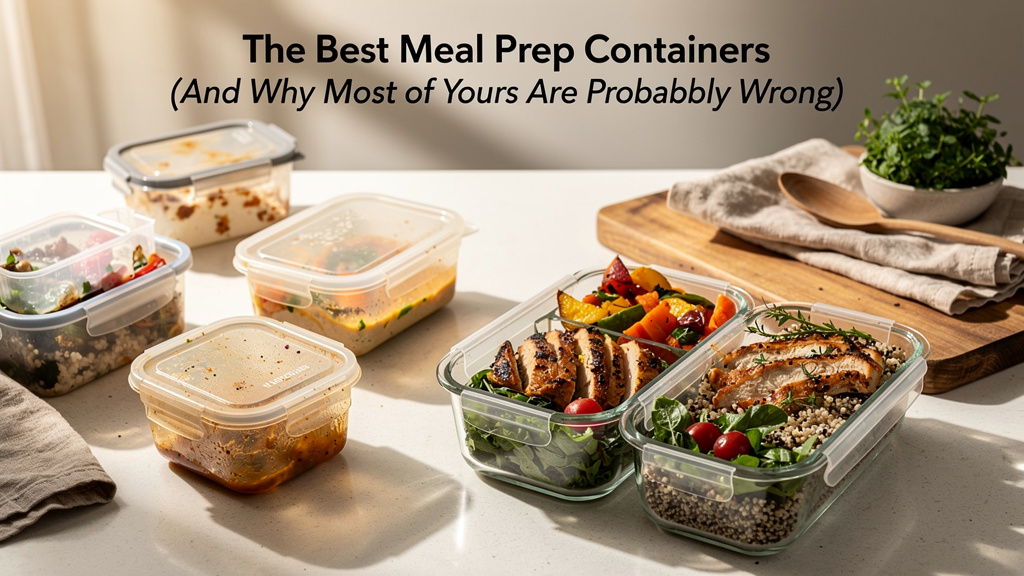
Let me guess: your meal prep containers are currently doing at least one of these things: leaking mystery sauce into your bag, harboring a tomato stain that won't quit, or warping into a sad, unusable shape after three trips through the dishwasher. I know this because I've been there, staring at a cabinet full of mismatched lids and containers that promised the world but delivered lukewarm disappointment.
The truth is, most containers sold as "meal prep" are just regular food storage dressed up with marketing buzzwords. They leak when you need them most, they don't stack properly (hello, chaotic fridge), and they fall apart faster than your motivation on a Monday morning. But the right containers? They're genuinely transformative. They make the difference between meal prep that feels like a chore and a system that actually works for your life.
Finding the best meal prep containers for weekly planning isn't about buying the most expensive set or following influencer trends. It's about understanding what actually matters for your cooking style, your storage situation, and how you eat throughout the week. Let's talk about what really works.
What Makes a Meal Prep Container Actually Good
Here's what nobody tells you: a great meal prep container needs to do more than just hold food. It needs to survive your actual life, which probably includes kids grabbing lunch on the run, containers bumping around in bags, and that inevitable moment when you forget one in your car for three days.
The non-negotiables are simpler than you might think. First, the seal needs to actually seal. Not "mostly seal" or "seal if you press really hard." A proper seal means you can toss it in a bag without conducting a science experiment on what happens when marinara meets your laptop. Second, it should handle temperature changes without drama. Freezer to microwave to dishwasher shouldn't result in a warped mess. Third, and this is crucial: the lids need to match the containers. Revolutionary concept, I know.
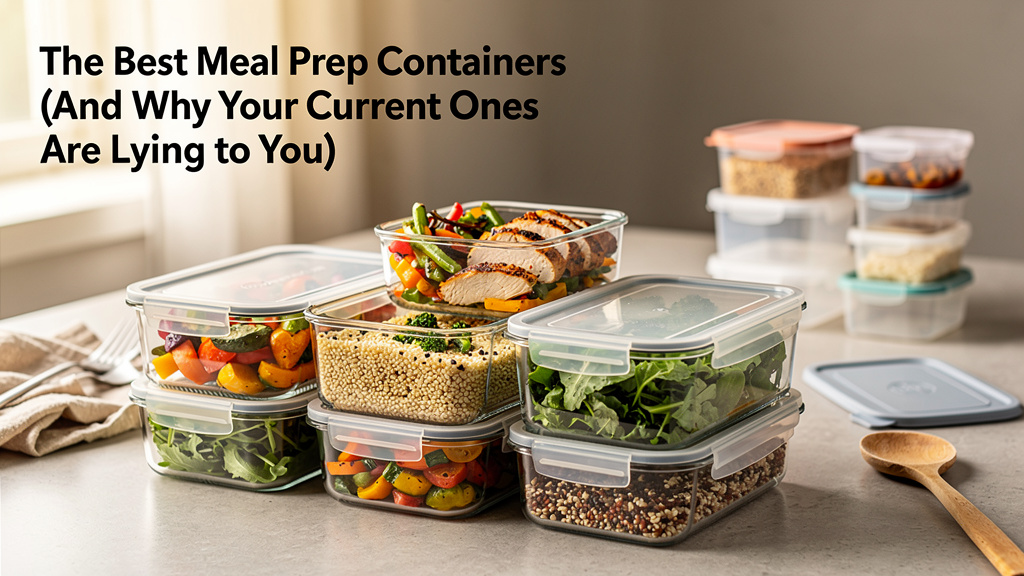
Beyond the basics, look for containers that stack neatly. Your fridge real estate is precious, and containers that nest inside each other when empty are a game-changer for storage. Compartments are helpful if you like keeping foods separate, but they're not essential for everyone. Clear containers let you see what's inside without playing refrigerator roulette, which is surprisingly useful when you're planning your week.
Glass vs. Plastic: The Honest Breakdown
This is where people get religious about their preferences, but the reality is both have their place. Glass containers are the luxury sedans of meal prep: heavier, more expensive, but undeniably premium. They don't stain, they don't retain odors, and they look good enough that eating lunch at your desk feels slightly more civilized. The weight is both a pro and a con. Sure, they're sturdy, but hauling five glass containers in your lunch bag gets old fast.
Plastic gets a bad rap, but modern BPA-free plastic containers are workhorses. They're lightweight, affordable, and if you drop one, it bounces instead of shattering into a million pieces across your kitchen floor. The downside? Even good plastic will eventually stain and get cloudy. Tomato-based dishes are the arch-nemesis of plastic containers everywhere. But here's the thing: if you're meal prepping consistently, you'll replace containers eventually regardless of material. Plastic just makes that replacement less of a financial commitment.
My honest take? Keep both. Use glass for dishes you'll reheat frequently and meals that stay home. Use plastic for grab-and-go situations, kids' lunches, and anything that might end up in questionable places. You don't need to commit to one camp for life.
Our Top Picks for Different Meal Prep Styles
The best meal prep containers for weekly planning depend entirely on how you actually use them. Someone prepping five identical lunches needs different containers than someone cooking components to mix and match throughout the week.
For the Complete Meal Prepper
If you're making full meals in advance, look for three-compartment containers in the 28-32 ounce range. This size handles a protein, two sides, and maybe a small sauce cup without feeling like you're eating cafeteria portions. Glass options with snap-lock lids work beautifully here. They're substantial enough to feel like a real meal, and the compartments keep your roasted vegetables from getting soggy next to your grain.
For the Component Cooker
This is my preferred style, and it requires a different approach. You want a variety of sizes: some larger containers for batch-cooked proteins and grains, smaller ones for prepped vegetables, sauces, and toppings. Think of it like a meal prep building block system. Rectangular containers in 16, 24, and 32 ounce sizes give you flexibility. When you're using a tool like Blinner to plan your week, you can map out which components you'll need and prep accordingly, then grab what you need each morning.
For the Freezer-First Preppers
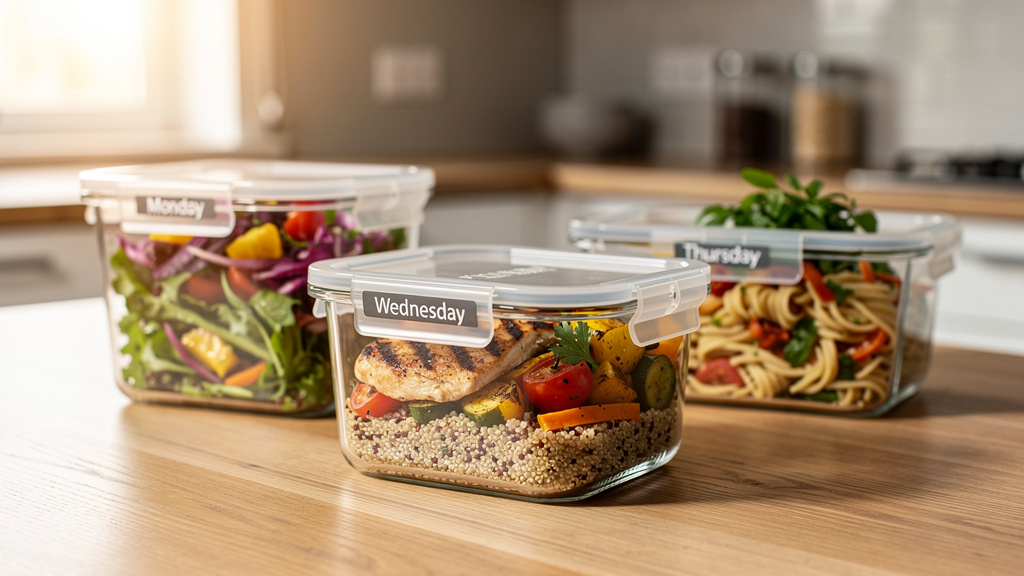
Freezing changes everything. You need containers that can handle expansion without cracking, and that means either flexible plastic or tempered glass specifically rated for freezer use. Leave headspace at the top—about an inch—because food expands when frozen. Silicone containers are underrated here; they're flexible enough to pop frozen meals out easily and they stack beautifully. Label everything with the date and contents, because frozen mystery meals are nobody's friend.
For the Salad Enthusiasts
Mason jars work, but dedicated salad containers with separate dressing compartments are worth it if you eat salads regularly. The tall, narrow shape keeps lettuce from getting compressed, and keeping the dressing separate until you're ready to eat is the difference between crisp and sad. Look for containers around 40 ounces if salad is your main meal.
How Many Containers Do You Really Need?
This is where people either buy way too many or not enough. The sweet spot depends on your prep frequency and dishwasher habits, but here's a realistic starting point for someone prepping weekly: eight to ten containers in your primary size (usually lunch-sized, 24-32 ounces), four to six smaller containers for components or snacks, and two to three larger containers for batch cooking storage.
Why these numbers? You'll have five weekday lunches prepped, which is five containers in use. You need extras because life happens: you'll forget one at work, one might be soaking because you forgot to wash it immediately, and you'll want backups when you're testing new recipes. The smaller containers are for things like dressing, snacks, prepped vegetables, or portioned breakfast items.
Don't buy a massive set of 40 containers unless you have extensive storage space and you're feeding multiple people. Start smaller and add based on your actual needs. You can always buy more, but a cabinet overflowing with containers you never use just creates clutter and guilt.
Care Tips So They Last More Than Three Months
Here's where most containers meet their doom: improper care that slowly degrades them until they're unusable. The good news is that extending container lifespan is mostly about breaking a few bad habits.
First, wash containers promptly. I know, I know, but seriously—letting food dry and harden makes cleaning harder and can permanently stain or damage containers. If you can't wash immediately, at least rinse them and add a drop of dish soap with some water. This thirty-second action prevents so many problems.
Second, be strategic about what you microwave. Most containers say they're microwave-safe, but that doesn't mean they enjoy it. Remove lids before microwaving (seriously, why do people skip this step?), and avoid microwaving tomato-based or high-fat foods in plastic when possible. These are the stain and warp culprits. Glass handles microwaving like a champ, which is one reason it's worth having a few glass containers in rotation.
Third, don't torture them in the dishwasher. Top rack only for plastic containers, and avoid the heated dry cycle if possible. The extreme heat is what warps lids and makes them lose their seal over time. If you hand wash, avoid abrasive scrubbers on plastic—they create tiny scratches that harbor bacteria and stains.
For stubborn stains and odors, try this: make a paste with baking soda and a tiny bit of water, spread it inside the container, and let it sit overnight. For serious stains, add some direct sunlight—UV light actually helps break down stains naturally. It sounds like folk wisdom, but it genuinely works.
Store containers with lids off. Stacking containers with lids sealed traps moisture and can lead to that musty smell nobody wants near their food. Nest containers by size and keep lids in a separate bin or drawer. Yes, this means you'll need to match them when you use them, but it prevents that gross surprise when you open a sealed container that's been sitting for weeks.
Making It All Work Together
Having the best meal prep containers for weekly planning is only part of the equation. The containers are the tools, but you need a system to make them work. This is where planning ahead makes everything easier. When you map out your meals for the week, you know exactly how many containers you'll need and what sizes work best for each meal.
Tools like Blinner can help you organize this process by letting you plan your week visually and generate grocery lists based on your planned meals. When you know you're making a grain bowl on Monday, chicken and vegetables on Tuesday, and batch soup for Wednesday through Friday, you can pull the right containers in advance and prep efficiently.
The real magic happens when your containers, your meal plan, and your prep routine all align. You're not scrambling to find matching lids while your cooked food gets cold. You're not discovering you're one container short mid-prep. Everything flows because you've set up a system that works with your life instead of against it.
Start with good containers that fit your actual needs, take care of them properly, and pair them with a solid planning approach. That's the trifecta that transforms meal prep from a chore into something that genuinely makes your weeks easier. Your future self, standing in front of a fridge full of ready-to-eat meals in leak-free containers, will thank you.
Ready to upgrade your meal prep game? Start by assessing what you actually need—not what looks pretty on Instagram—and build from there. And if you're looking for help organizing your weekly meal plan so you know exactly what to prep, give Blinner a try. We'll help you map out your meals and generate your grocery list, so you can focus on the cooking (and eating) part.