We Tried Whole Foods' Meal Prep Trays So You Don't Have To
You're standing in Whole Foods after work, stomach growling, staring at those pristine meal prep containers in the hot bar section. They look so ready. So convenient. So much easier than facing your empty fridge and the mental gymnastics of figuring out dinner. But at $12.99 per tray, you pause. Is this actually worth it, or are you just paying a premium for someone else to portion out quinoa?
I had the same question, so I decided to put Whole Foods' meal prep trays to the test. Over two weeks, I bought and ate my way through six different varieties, comparing them against what I'd normally make at home. Here's everything you need to know before you swipe your card.
What Exactly Are Whole Foods Meal Prep Trays?
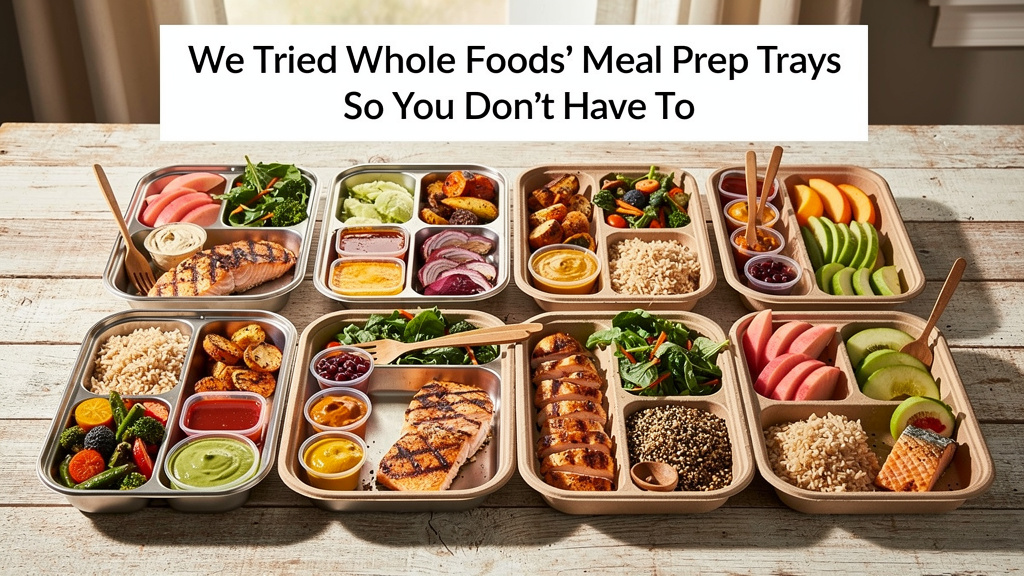
If you haven't spotted them yet, Whole Foods' meal prep containers are pre-portioned, ready-to-eat meals displayed near the hot bar and prepared foods section. They come in clear plastic containers with three compartments: a protein, a grain or starch, and vegetables. The selection rotates, but you'll typically find options like teriyaki chicken with brown rice and broccoli, Mediterranean salmon with quinoa and roasted vegetables, or chipotle turkey with sweet potatoes and green beans.
Each container is clearly labeled with nutritional information, ingredients, and heating instructions. Most contain between 400-600 calories and clock in around $11.99 to $14.99, depending on your location and the protein. They're sold cold and meant to be microwaved at home, or eaten within a day or two of purchase.
The appeal is obvious: someone else has done the planning, shopping, cooking, and portioning. You just grab and go. But does this whole foods meal prep containers review reveal something worth your money, or just another overpriced shortcut?
The Real Cost: Convenience vs. DIY Meal Prep
Let's talk numbers, because this is where things get interesting. During my two-week experiment, I spent approximately $78 on six meal prep trays. That averages out to $13 per meal, which honestly made me wince a little.
For comparison, I also meal prepped a similar lineup at home one Sunday: baked chicken thighs, roasted sweet potatoes, sautéed green beans, and quinoa. The total grocery cost was about $32, and I ended up with six servings. That's roughly $5.30 per meal—less than half the price of the Whole Foods version.
But here's what that price comparison doesn't capture: time and mental energy. My DIY meal prep took about 90 minutes from start to cleanup. I had to plan what to make, write a grocery list, shop, cook multiple components simultaneously, and portion everything into containers. The Whole Foods trays? Literally two minutes to grab them off the shelf.
So you're not just paying for food—you're paying for someone else to make all those micro-decisions that add up to meal prep exhaustion. Whether that's worth an extra $7-8 per meal depends entirely on where you are in your life right now. Crazy work week? Recovering from an illness? New baby at home? Sometimes convenience is priceless.
Taste Test: Do They Actually Deliver?
Here's where I expected to be disappointed, but I was genuinely surprised. The quality was better than I anticipated, though definitely inconsistent across varieties.
The Winners:
- The Mediterranean salmon was legitimately good—flaky fish with a nice herb crust, properly cooked quinoa, and vegetables that hadn't been nuked into oblivion
- The teriyaki chicken had well-seasoned protein and the brown rice actually had texture (not mushy!)
- The chimichurri steak bowl packed real flavor and the sweet potatoes were perfectly roasted
The Misses:
- The "Asian-inspired" tofu bowl was aggressively bland—it desperately needed soy sauce or something
- The turkey meatballs were dry and the marinara sauce tasted suspiciously like it came from a jar (and not a good jar)
- Anything with kale was... well, reheated kale. You know exactly what I mean
The portions were reasonable—not huge, but enough to keep me satisfied for 3-4 hours. I'm a pretty average eater, for reference. If you typically need larger portions or are very active, you might find yourself still hungry afterward.
One consistent issue: reheating. Even following the instructions carefully, some components heated unevenly. The protein would be piping hot while the quinoa stayed lukewarm. I learned to separate things when microwaving, which added a bit of hassle to the "convenience" factor.
What Whole Foods Gets Right (And Wrong)
What Works:
The ingredient quality is noticeably better than typical frozen meals. You're getting organic vegetables, antibiotic-free proteins, and minimal preservatives. The nutritional information is clearly displayed, which makes calorie tracking straightforward if that's your thing. The variety changes regularly enough that you won't get completely bored if you're buying them frequently.
I also appreciated that the containers are recyclable and don't feel as wasteful as some meal kit packaging. And honestly? The psychological relief of having lunch or dinner handled during a stressful week was worth something. It removed one decision from my already overwhelming list.
What Doesn't:
The price remains the elephant in the room. At $12-15 per meal, this isn't sustainable for most people as an everyday solution. The portions are fixed, which doesn't work if you have specific dietary needs or bigger appetites. And while the variety is decent, it's still limited compared to what you could make yourself or plan using a tool like Blinner to organize your own meal rotation.
The biggest miss, in my opinion, is customization. You get what you get. No swapping the brown rice for extra vegetables, no leaving off the sauce if you're watching sodium. You're locked into their vision of a balanced meal, which may or may not align with your preferences or nutritional goals.
When to Buy Them vs. When to Make Your Own
After living with this whole foods meal prep containers review experiment for two weeks, here's my honest take on when each approach makes sense:
Buy the Whole Foods meal prep trays when:
- You're in survival mode—crazy work deadline, family emergency, or just completely overwhelmed
- You need something immediately and have zero groceries at home
- You're trying to break a takeout habit and need a middle-ground option
- You're recovering from illness and can't manage cooking
- You want to try meal prep containers before committing to buying your own
Make your own when:
- You have even 90 minutes on a weekend to batch cook
- Budget is a significant concern
- You have specific dietary preferences or restrictions
- You enjoy cooking and find it relaxing rather than stressful
- You want full control over portions, ingredients, and flavors
Here's the thing: it doesn't have to be all or nothing. I found myself using Whole Foods trays strategically—buying two or three at the beginning of a hectic week to cover my most stressful days, then cooking something simple for the remaining meals. This hybrid approach gave me the convenience when I truly needed it without completely blowing my budget.
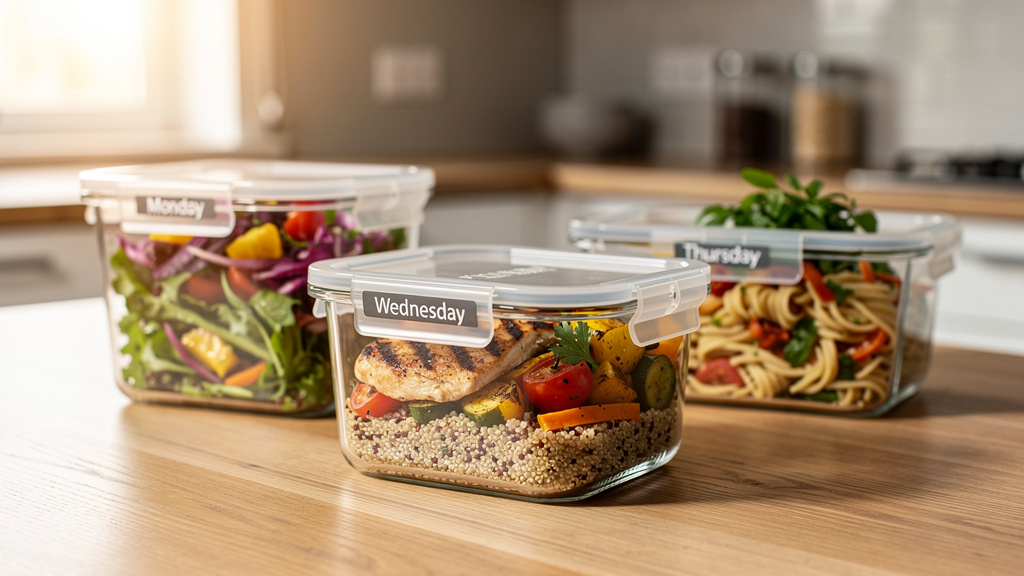
If you want to ease into DIY meal prep without the overwhelm, start simple. Pick one protein, one grain, and two vegetables. Cook them all on Sunday. Portion them out. That's it. You don't need fancy recipes or complicated systems—at least not at first. Once you've got the basics down, you can get more creative with your planning.
The Bottom Line
Whole Foods' meal prep trays aren't revolutionary, but they're a solid option for specific situations. They deliver on quality and convenience, even if they can't compete on price or customization. Think of them as a tool in your arsenal, not your entire strategy.
The real insight from this experiment? The best meal prep system is the one you'll actually stick with. Whether that's Whole Foods containers during your busiest weeks, batch cooking on Sundays, or using a meal planning app to stay organized, the goal is the same: reducing stress and helping you eat well without losing your mind.
If you're ready to build your own meal prep routine without the premium price tag, Blinner can help you plan your weekly meals and auto-generate grocery lists in minutes. It takes the mental load off meal planning while giving you complete control over what you cook and eat. Sometimes the best convenience isn't buying pre-made meals—it's having a simple system that makes homemade feel just as easy.