15-Minute Lunches for People Who Would Rather Not Cook at Noon
Let's be honest: lunchtime on a busy weekday is when our best intentions go to die. You promised yourself wholesome grain bowls and colorful salads. Instead, you're standing in front of an open fridge at 12:47 PM, eating string cheese directly over the sink while contemplating whether peanut butter on a spoon counts as a meal. (It does, but we can do better.)
The problem isn't your willpower or your cooking skills. The problem is that most "quick and healthy lunch ideas" require you to channel your inner TV chef right when your energy and patience are at their lowest. Who has time to chop, sauté, and artfully arrange ingredients when you've got seventeen browser tabs open and a meeting in twenty minutes?
Here's the good news: quick and healthy lunch ideas for meal prep don't have to mean cooking every single day. With the right strategy, you can have genuinely delicious, nourishing lunches that come together faster than your microwave can reheat last week's questionable takeout.
The Lunch Trap: Why 'Quick and Healthy' Usually Means Neither
The lunch struggle is real, and it's not your fault. Most recipes promising "quick" meals conveniently forget to mention the twenty minutes of prep work, the specialized ingredients you don't have, or the fact that you'll dirty every bowl in your kitchen. Meanwhile, grabbing something "convenient" usually means a sad desk sandwich or whatever the vending machine is offering today.
The traditional approach to lunch falls into three categories, and they're all broken:
- The Daily Cook: Preparing lunch from scratch each day sounds noble until day two, when you realize you'd rather eat your own shoe than face another cutting board.
- The Monotony Method: Eating the exact same thing every single day works until you'd rather skip lunch entirely than face another identical container of sad chicken and rice.
- The Wing-It Warrior: Cobbling together random ingredients from your fridge is an adventure—sometimes a good one, often a regrettable one, always an unpredictable one.
What actually works is having a flexible system: prepare components in advance, then assemble them throughout the week in different combinations. Think of it as meal prep for people who get bored easily and don't want to spend their Sunday afternoon becoming a meal prep influencer.
5 Formulas for Lunches That Assemble in Minutes
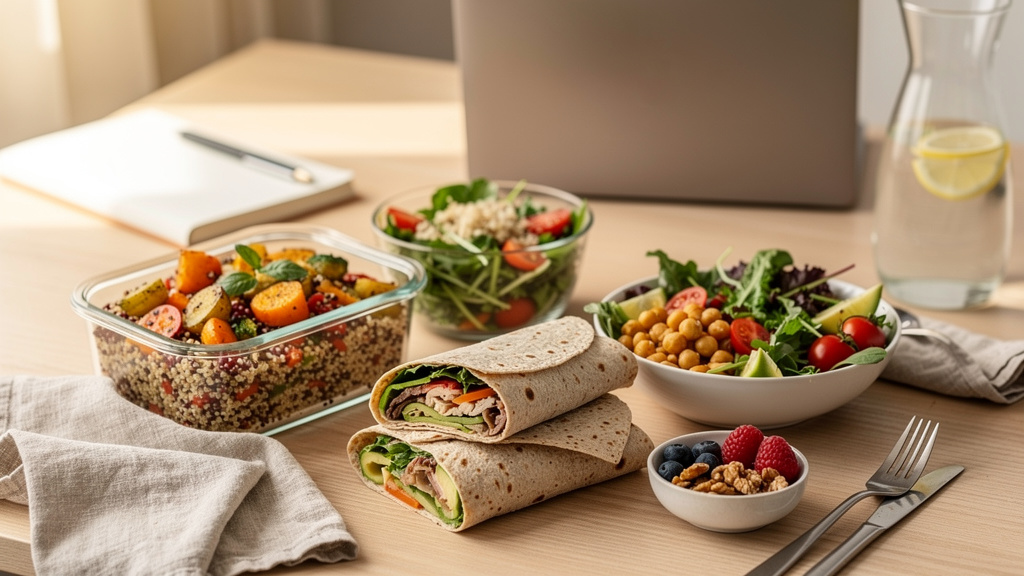
Forget recipes. What you need are formulas—simple frameworks you can customize based on what you have, what you like, and what's hiding in your crisper drawer. These quick and healthy lunch ideas for meal prep are designed to be assembled, not cooked, when lunchtime actually arrives.
Formula #1: The Power Bowl
The bowl format is popular for a reason—it's incredibly forgiving. Start with a base (grains, greens, or both), add protein, pile on vegetables, and finish with a killer sauce. The magic happens when you prep these components separately, then mix and match all week.
Base options: cooked quinoa, brown rice, farro, mixed greens, baby spinach, or cauliflower rice
Protein choices: rotisserie chicken, hard-boiled eggs, canned chickpeas, baked tofu, or canned tuna
Vegetable additions: cherry tomatoes, cucumber, shredded carrots, roasted vegetables, or whatever's left from dinner
The sauce situation: tahini dressing, peanut sauce, balsamic vinaigrette, or even just good olive oil and lemon
Formula #2: The Wrap (But Make It Interesting)
Wraps get a bad reputation because we've all suffered through one too many soggy tortillas filled with mystery meat. But a well-constructed wrap is portable, satisfying, and endlessly customizable.
The key is keeping wet ingredients separate until assembly time. Store your proteins, spreads, and crunchy elements in separate containers, then wrap it up right before eating. Use large lettuce leaves, whole wheat tortillas, or even nori sheets for variety.
Pro tip: Toast your tortilla for thirty seconds before assembling. It adds texture and creates a slight barrier against sogginess. You're welcome.
Formula #3: The Snack Plate (Fancy Name: Adult Lunchable)
Sometimes the best lunch isn't a "meal" at all—it's a collection of interesting things arranged on a plate. This is perfect for days when you want variety without commitment.
Combine protein-rich snacks (cheese, deli meat, hard-boiled eggs, nuts), something crunchy (crackers, veggie sticks, pretzels), something fresh (fruit, cherry tomatoes), and something indulgent (olives, dark chocolate, good pickles). It's nutritionally complete, visually interesting, and requires zero cooking skills.
Formula #4: The Soup and Something Combo
Soup alone rarely satisfies, but soup paired with a substantial side is lunch perfection. Make or buy a big batch of soup on the weekend, portion it out, and pair it throughout the week with different companions: a hearty sandwich, a chunk of crusty bread with cheese, or a simple side salad.
The beauty here is that good soup actually tastes better after a day or two, and it reheats beautifully. Plus, if you make soup in your Instant Pot or slow cooker, you barely have to think about it.
Formula #5: The Salad That Doesn't Suck
Salads fail at lunch because we make them boring or we make them soggy. The solution? Build them in layers and keep the dressing separate until the last possible moment.
Start with sturdy greens (not delicate baby lettuce that wilts if you look at it wrong). Add substantial toppings: roasted vegetables, nuts, seeds, cheese, dried fruit, or leftover grains. Include protein. Make it interesting enough that you actually want to eat it, not virtuous enough that it feels like punishment.
Make-Ahead Components That Transform All Week
The secret to sustainable lunch prep isn't making five identical containers on Sunday—it's preparing versatile components that work across multiple meals. Spend an hour or two on the weekend creating these building blocks, and you'll have quick and healthy lunch ideas ready to assemble all week.
The Grain Situation
Cook a large batch of one or two grains. Quinoa, brown rice, and farro all refrigerate beautifully for up to five days. You can eat them cold in bowls, reheat them as a base, or even crisp them up in a pan for added texture. Season them lightly with salt, or leave them plain to work with different flavor profiles throughout the week.
Protein Prep That Actually Makes Sense
You don't need to become a meal prep bodybuilder with identical chicken breast containers. Instead, prepare protein in ways that stay interesting:
- Bake a whole sheet pan of seasoned chicken thighs (more forgiving than breasts)
- Hard-boil a dozen eggs (they last a week and work in countless combinations)
- Roast a block of tofu with your favorite marinade
- Cook a pound of ground turkey or beef with taco seasoning for multiple uses
- Open a can of chickpeas, toss with olive oil and spices, and roast until crispy
The Vegetable Strategy
Raw vegetables are fine, but roasted vegetables are magnificent. They add depth, sweetness, and substance to any lunch. Chop whatever's in season (or on sale), toss with olive oil and salt, and roast at 425°F until caramelized. Brussels sprouts, sweet potatoes, broccoli, cauliflower, and bell peppers all work beautifully.
Keep some raw, crunchy vegetables prepped too: sliced cucumbers, cherry tomatoes, snap peas, or shredded cabbage. They add freshness and textural contrast.
Sauce: The Real MVP
This cannot be overstated: good sauce makes everything better. A container of bland chicken and rice becomes genuinely exciting with the right sauce. Make one or two on the weekend and suddenly you have the power to transform any combination of ingredients.
Easy winners include tahini-lemon dressing, peanut sauce, chimichurri, or even just a well-made vinaigrette. Store them in small jars and use them generously throughout the week.
The Leftover Lunch Glow-Up Strategy
Let's talk about the elephant in the fridge: dinner leftovers. They're potentially the easiest lunch solution, but let's be real—eating Thursday's dinner on Friday doesn't always spark joy. The trick is transforming leftovers into something that feels new.
Last night's roasted chicken? Shred it and turn it into chicken salad with Greek yogurt, grapes, and celery. Or pile it onto greens with nuts and cheese for a completely different vibe.
Leftover roasted vegetables? Blend them into soup, toss them with pasta and feta, or stuff them into a wrap with hummus.
Extra taco meat? It's now a burrito bowl base, a salad topper, or stuffed into bell peppers with cheese.
Too much pasta? Cold pasta salad is a legitimate lunch option. Add fresh vegetables, a can of tuna or chickpeas, and a zippy vinaigrette. Suddenly it's a Mediterranean-inspired bowl instead of reheated spaghetti.
The key is thinking in components rather than complete meals. That leftover salmon isn't "last night's dinner again"—it's premium protein for your lunch bowl. Reframing changes everything.
Your No-Recipe Lunch Matrix: Mix, Match, Never Get Bored
Once you've got your prepped components, you need a system for combining them without overthinking it. Think of this as your lunch decision tree—a simple matrix that eliminates the "what should I eat?" paralysis.
Here's how it works: Pick one from each category, combine, and you've got a complete meal.
Choose a base:
- Cooked grain (quinoa, rice, farro)
- Leafy greens (mixed greens, spinach, arugula)
- Both (half greens, half grains)
- Alternative base (cauliflower rice, sweet potato, or nothing—just pile everything together)
Add your protein:
- Cooked chicken or turkey
- Hard-boiled eggs
- Canned fish (tuna, salmon, sardines)
- Beans or legumes
- Tofu or tempeh
- Cheese (yes, cheese counts)
Pile on vegetables:
- Roasted vegetables (any combination)
- Raw crunch (cucumbers, bell peppers, carrots)
- Quick pickled onions or cabbage
- Cherry tomatoes
- Avocado (the millennial tax is worth it)
Add texture and interest:
- Nuts or seeds
- Crumbled cheese
- Dried fruit
- Crispy chickpeas
- Croutons or tortilla chips
Finish with flavor:
- Your prepared sauce or dressing
- Fresh herbs
- A squeeze of citrus
- Everything bagel seasoning (it fixes most things)
- Hot sauce (it fixes everything else)
With just these categories and a few prepped components, you can create dozens of different lunch combinations without following a single recipe or eating the same thing twice in a row. It's the difference between meal prep as a rigid system and meal prep as a flexible framework.
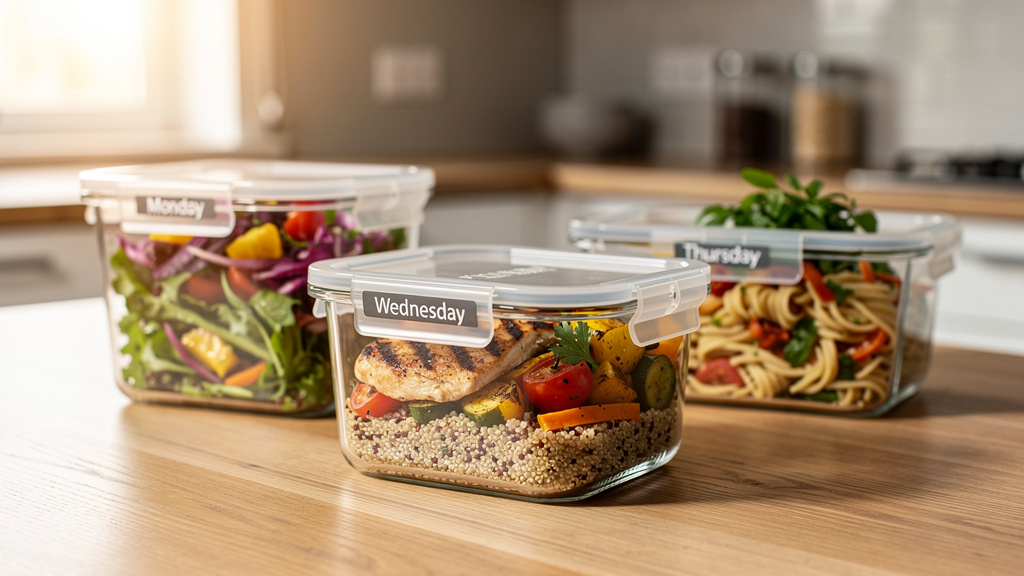
The Monday bowl might be quinoa, roasted chicken, roasted sweet potatoes, cucumbers, feta, and tahini dressing. Tuesday's lunch could be the same quinoa and chicken but with black beans, salsa, avocado, and tortilla chips for a completely different flavor profile. Wednesday goes Mediterranean with the same base but chickpeas, tomatoes, olives, and lemon vinaigrette. You're using similar components but creating genuinely different meals.
Making It Actually Happen
The difference between good intentions and actual lunches you'll eat comes down to removing friction. Here's how to set yourself up for success:
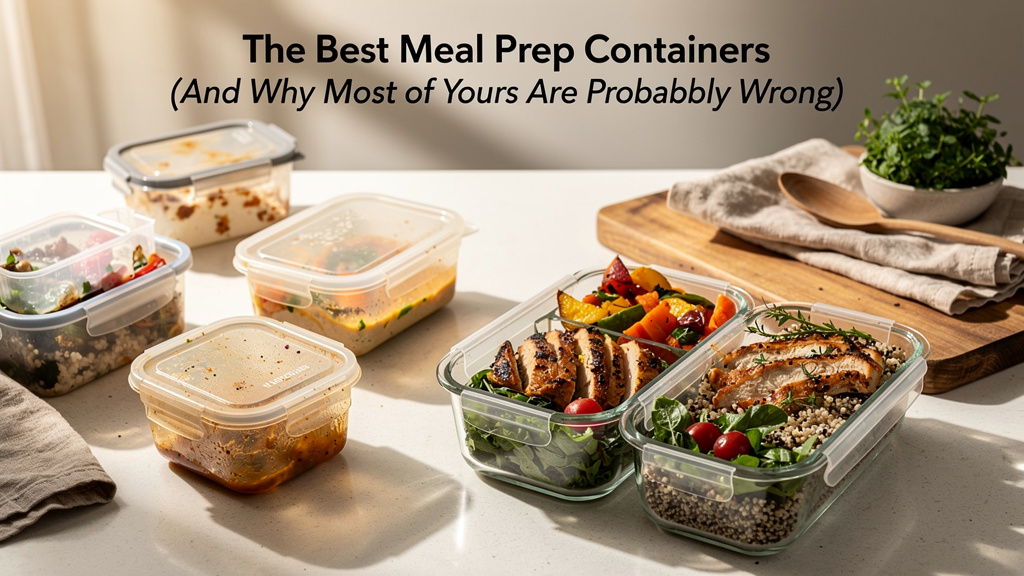
Invest in decent containers. You don't need Instagram-worthy matching sets, but you do need containers that seal properly, stack efficiently, and are actually pleasant to eat from. Glass containers that go from fridge to microwave to dishwasher earn their keep.
Keep backup options. Always have a few pantry staples that can become emergency lunch: canned soup you actually like, good crackers, quality canned fish, nut butter, or instant noodles upgraded with frozen vegetables and an egg.
Embrace "good enough." Your lunch doesn't need to be photo-worthy or nutritionally perfect. It needs to be better than the vending machine and actually something you'll eat. Progress, not perfection.
Plan loosely, not rigidly. Instead of deciding "Monday is chicken bowl day," just make sure you have bowl-friendly components available. Give yourself options and permission to eat what sounds good in the moment.
Quick and healthy lunch ideas for meal prep work best when they fit into your actual life, not some idealized version of it. Some weeks you'll prep like a champion. Other weeks you'll buy a rotisserie chicken and call it strategy. Both are completely valid.
Ready to take the guesswork out of meal planning? Blinner helps you organize your weekly meals, build flexible shopping lists, and actually use what's in your fridge. Because lunch shouldn't require a culinary degree or a midday cooking show—it should just require a few minutes and a solid plan. Start planning smarter meals today at blinner.com.